Training Camp at CrossFit O Covil (Lisbon, Portugal)
February 21st & 22nd
Who is this camp for?
This camp is for athletes who want:
To stop guessing
To understand their training
To build long-term performance, not short-term highs
If you want more than just another hard weekend, this is where the work starts.
This training camp is not about collecting workouts or chasing fatigue.
It’s about helping athletes understand why they train the way they do, and how better decisions in training, planning, and behaviour translate into long-term performance.
Over two days in Setúbal, at CrossFit O Covil, we’ll combine practical training with deep education, so athletes leave knowing what will make them fitter and better equipped to manage their own development.
Day 1 – Training the System, Not Just the Workout
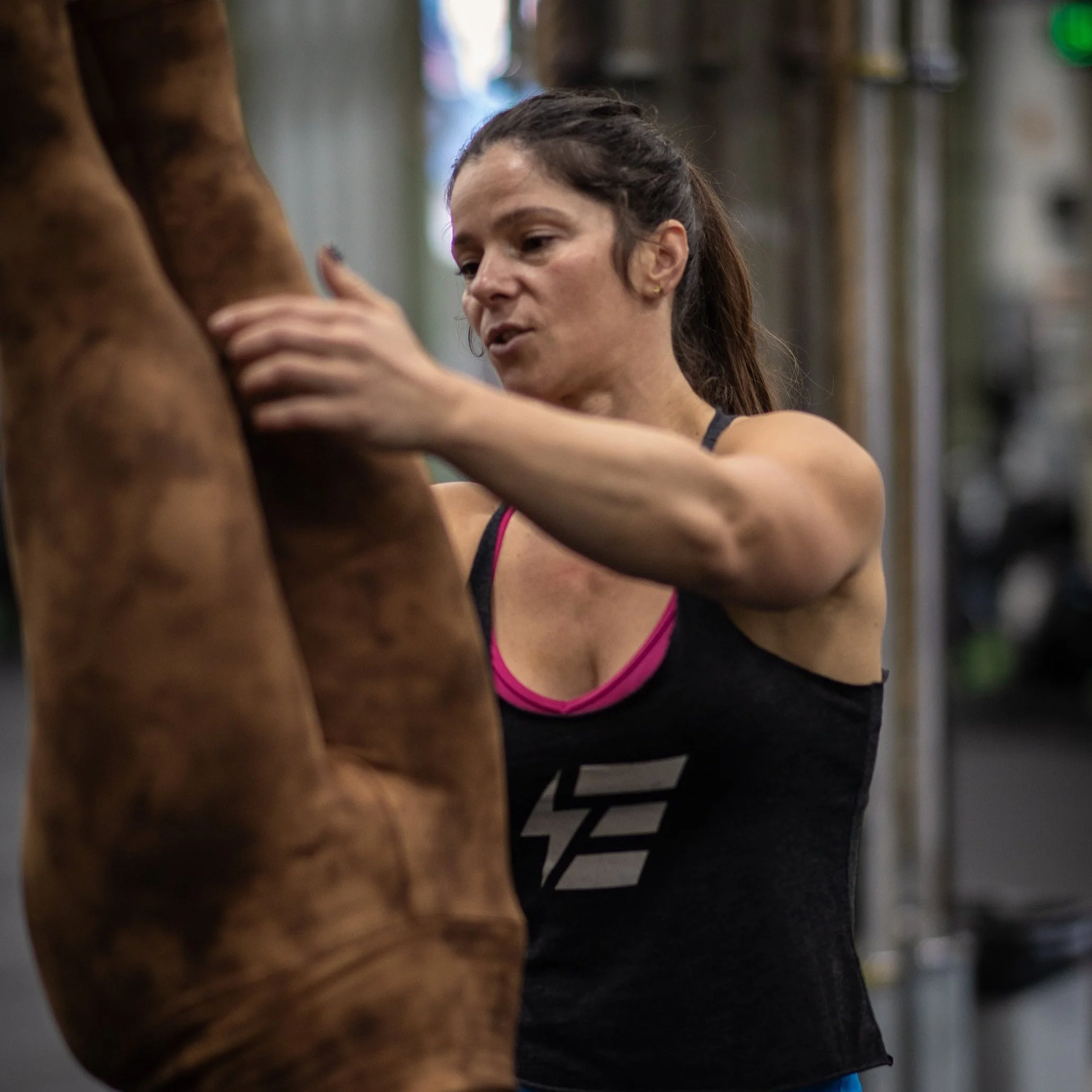
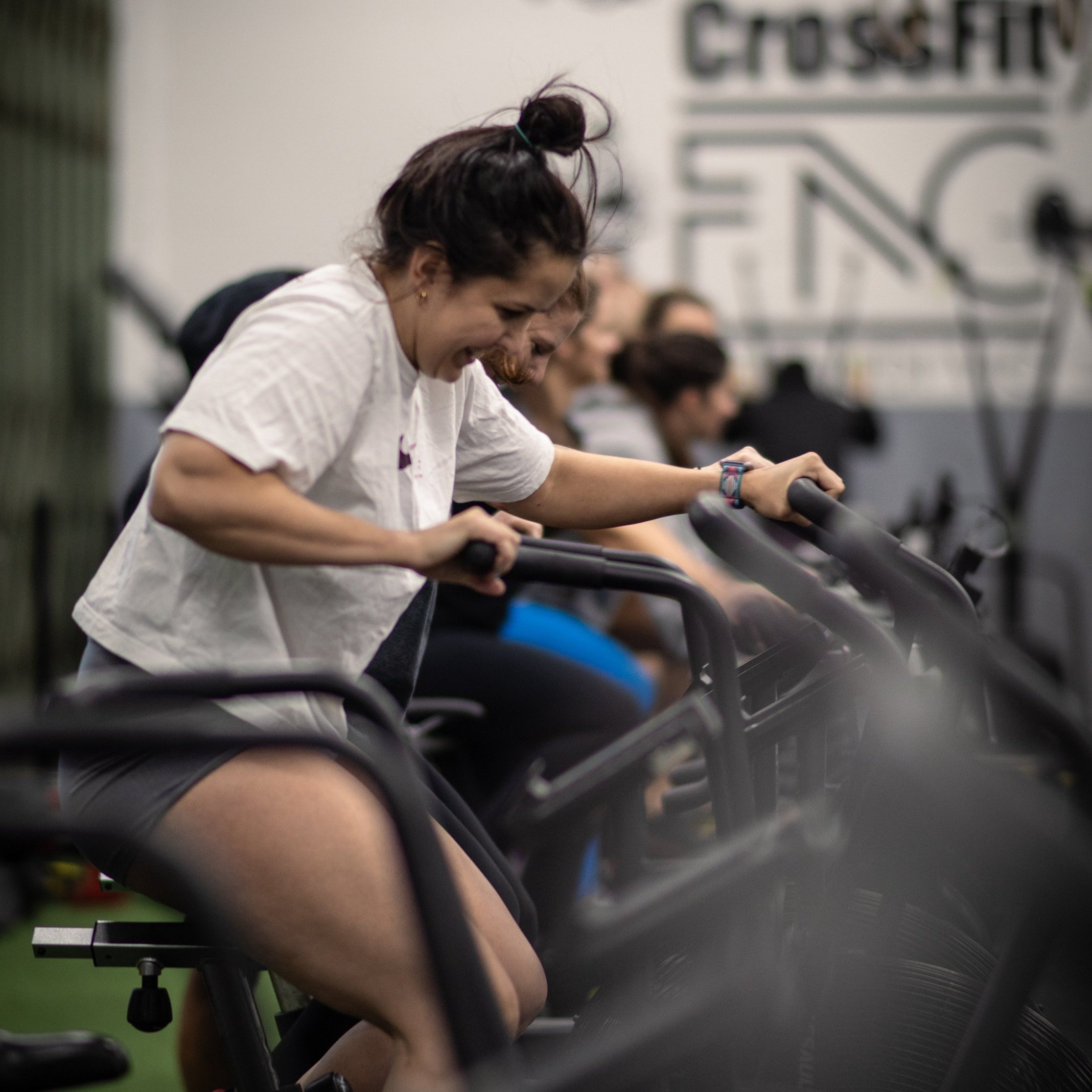
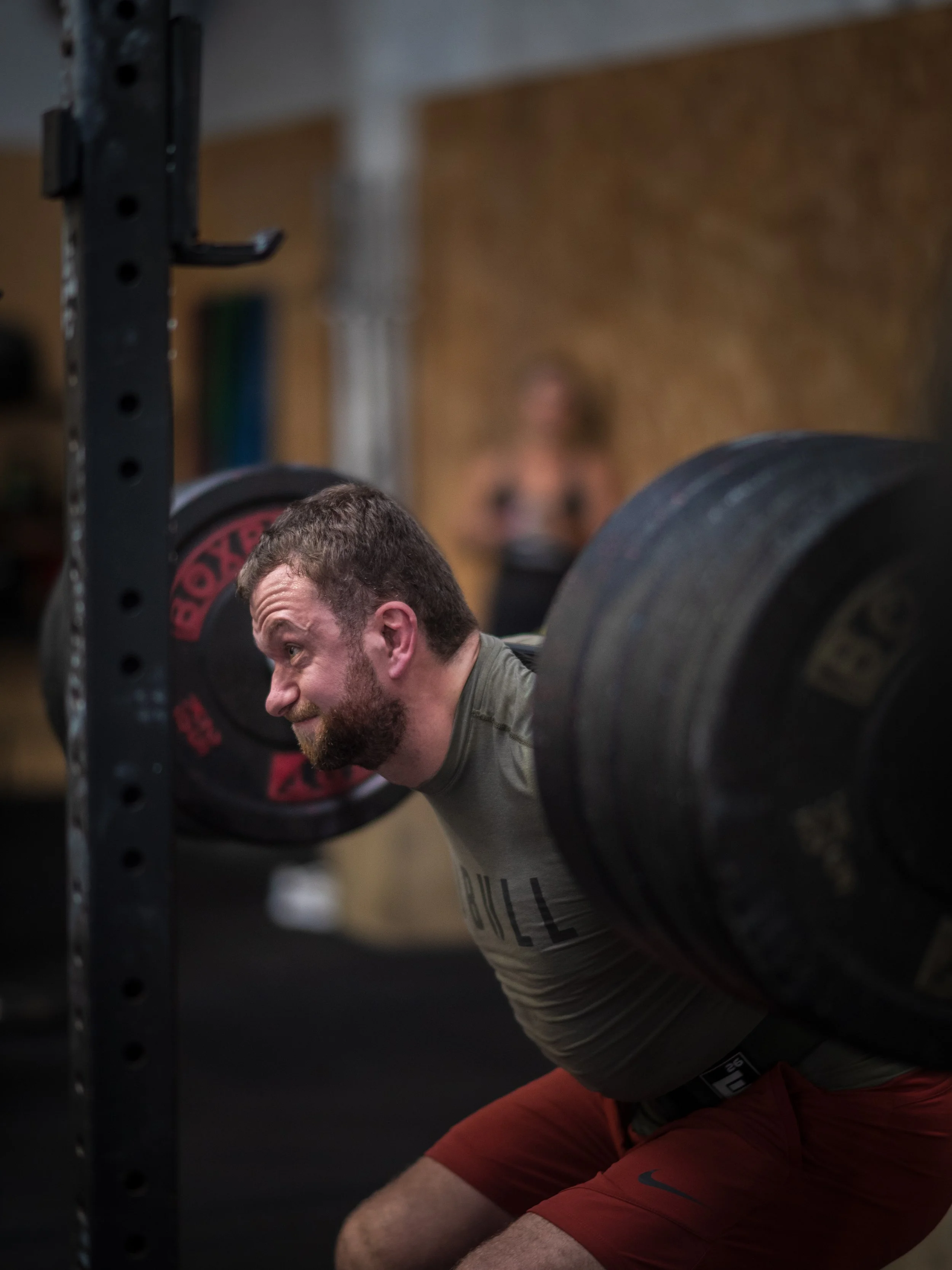
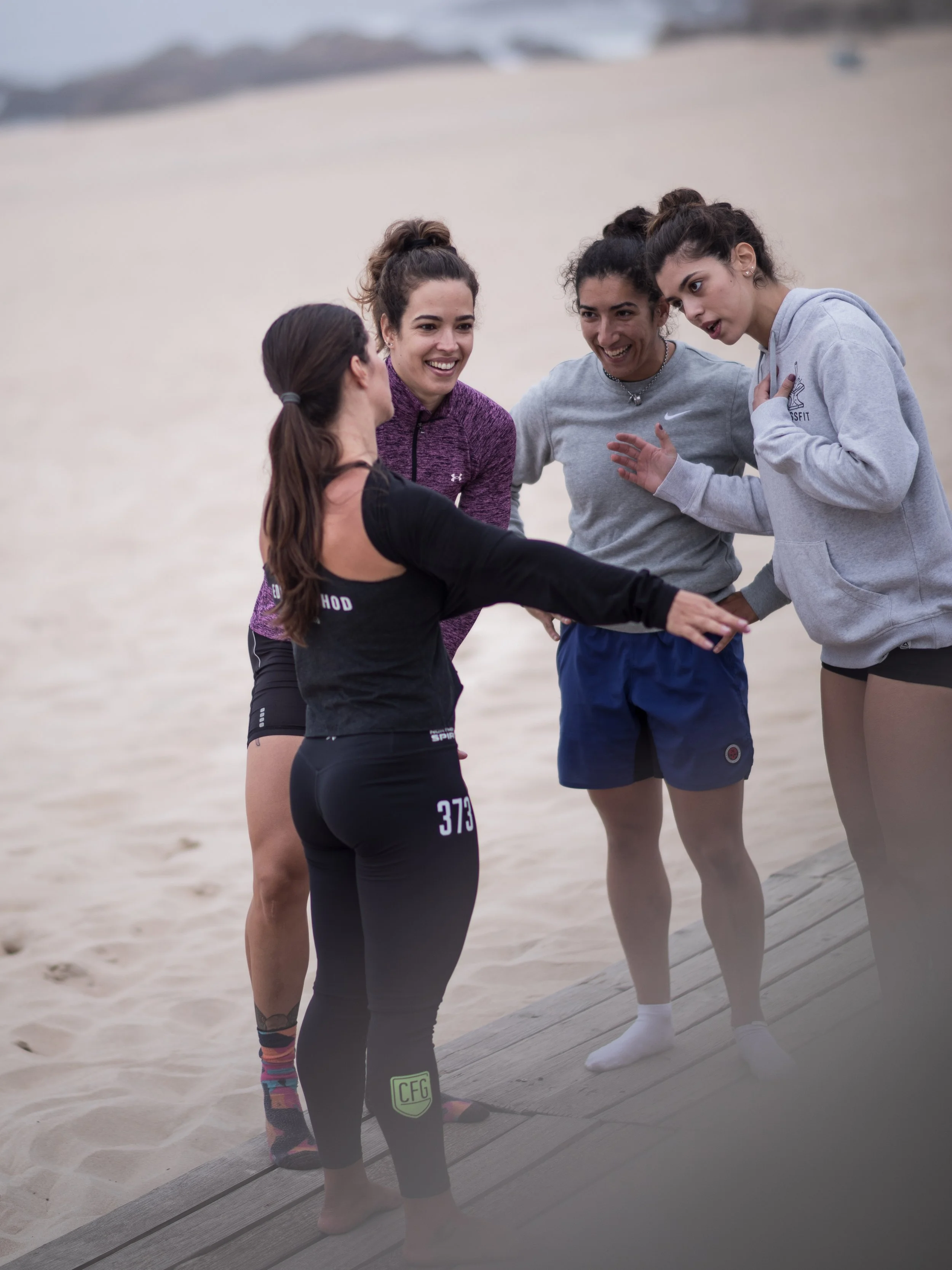
Morning: Train Together
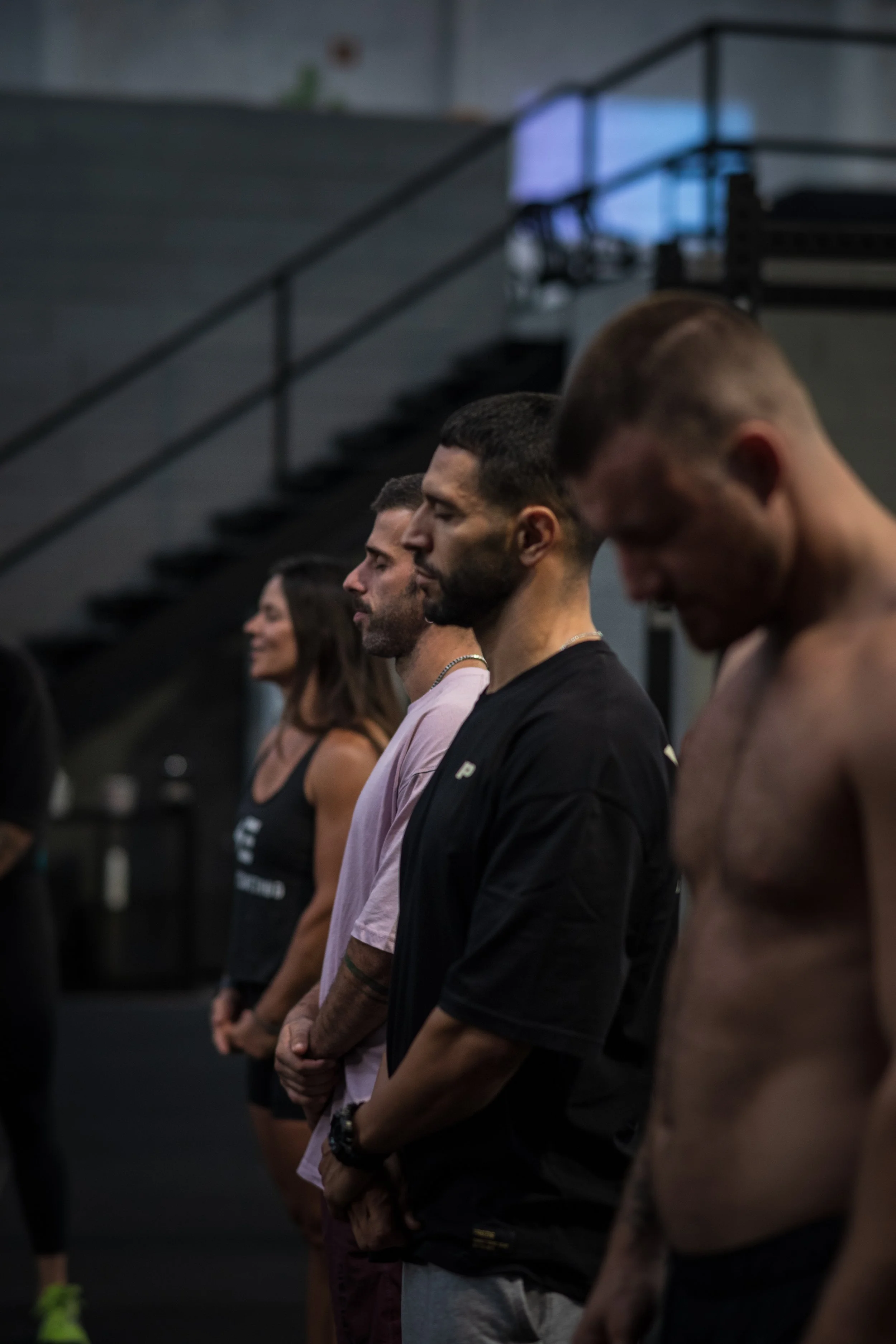
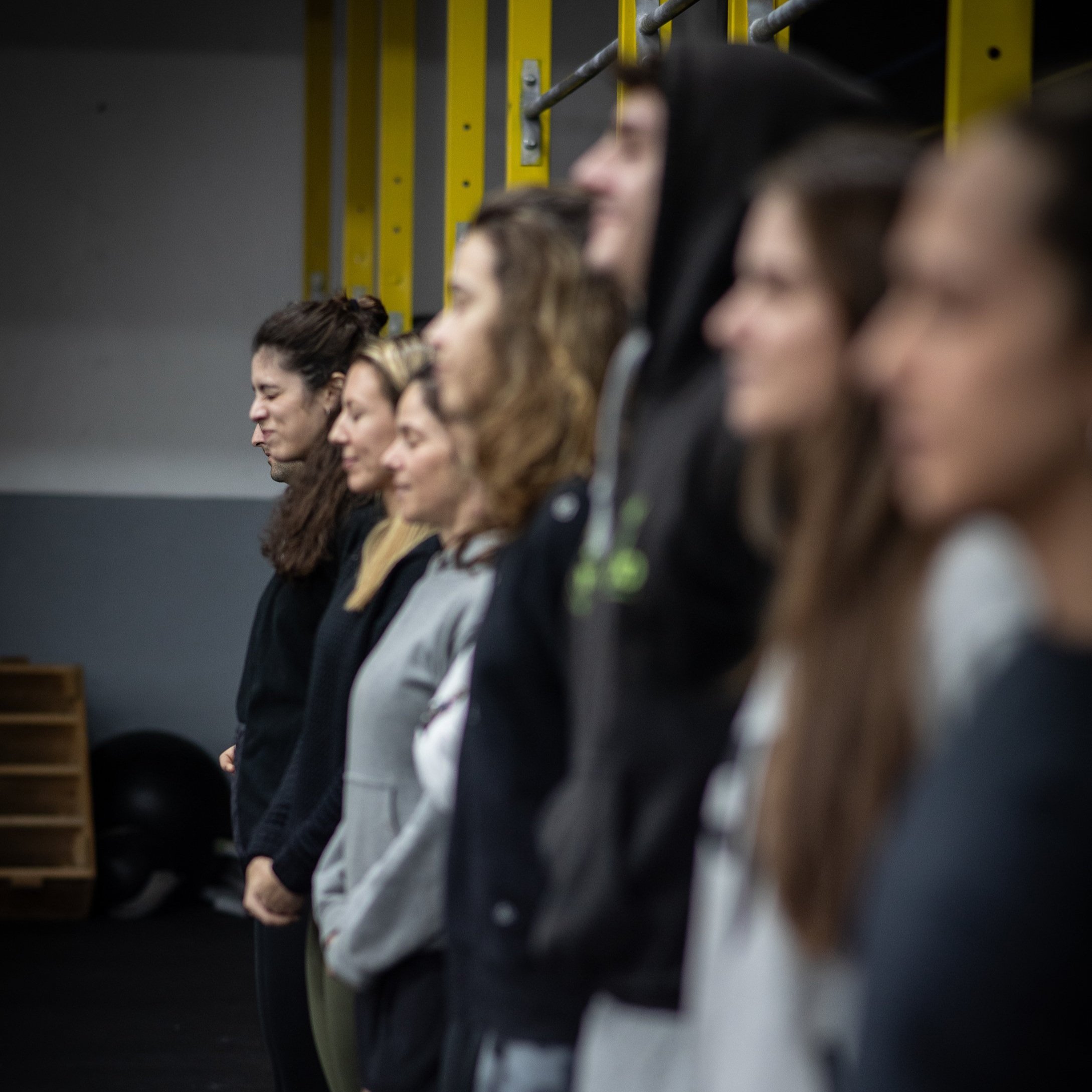
Not just to sweat, but to create shared context. Training exposes patterns, how athletes move, how they pace, how they respond to stress and instruction. This shared experience will serve as the reference point for everything we discuss later.
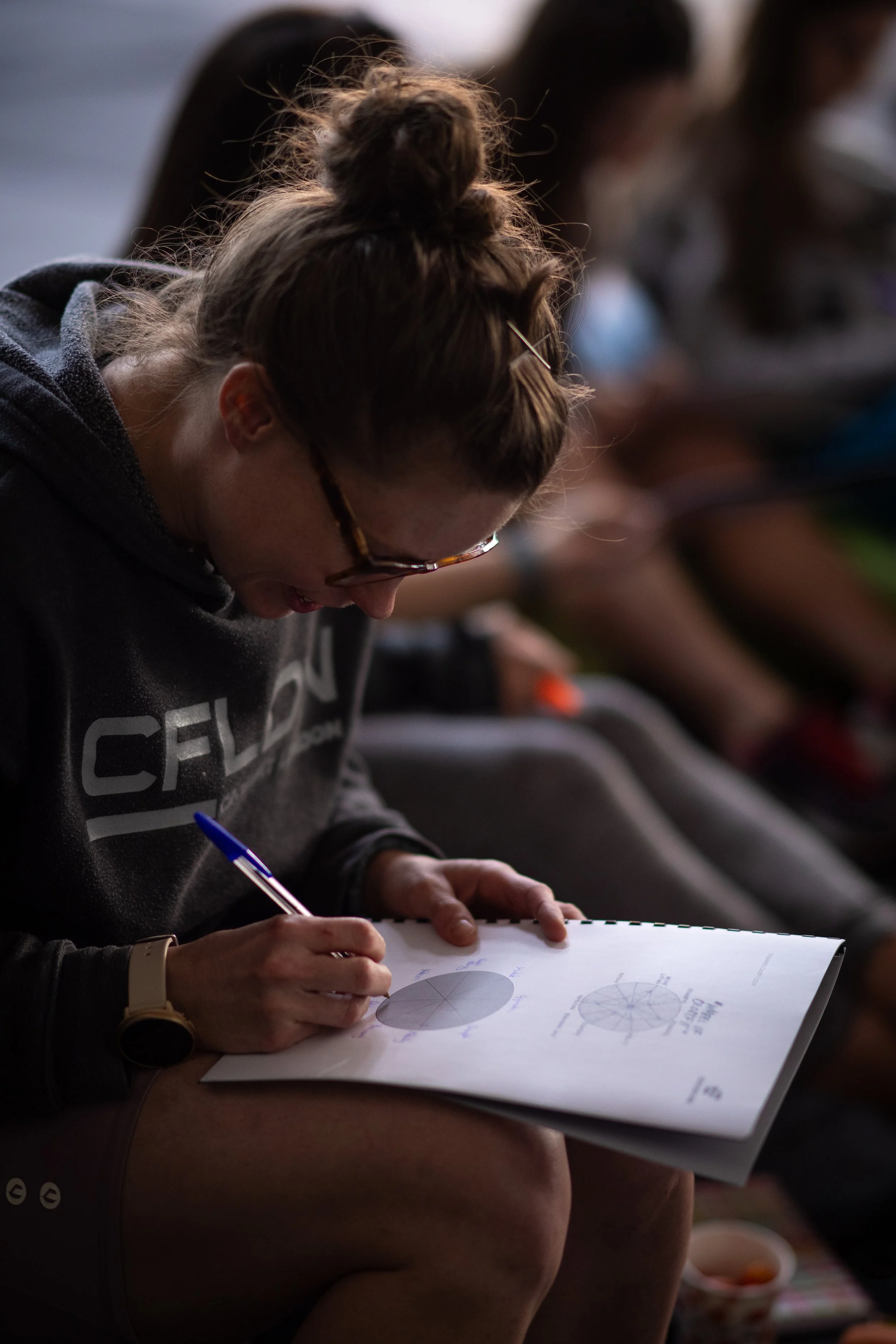
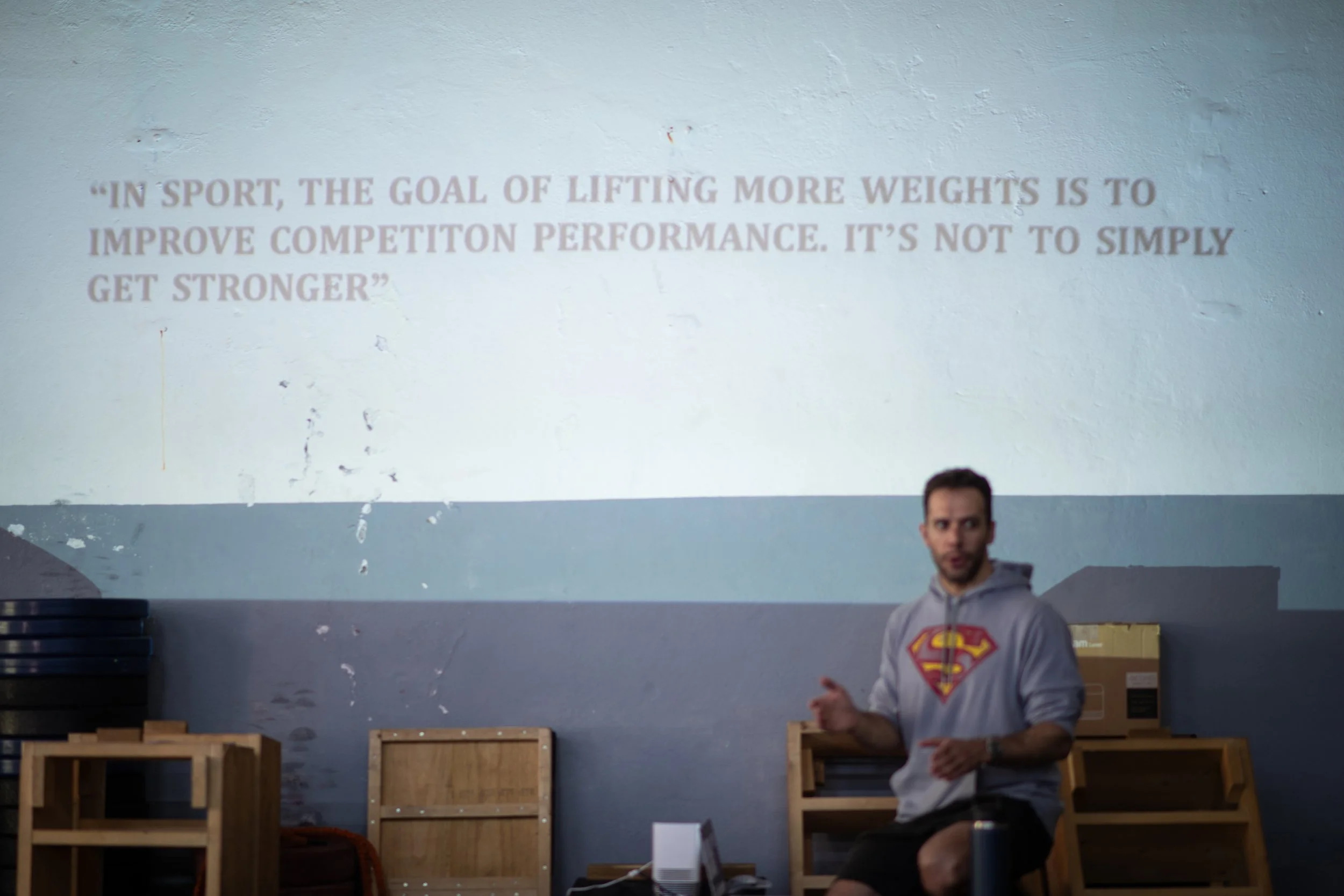
Afternoon Education Sessions
Strength Development
Strength is often misunderstood as “lifting heavier.”
In reality, strength development is a long-term physiological process that depends on correct loading, progression, and timing.
We’ll cover:
How strength adaptations actually occur
Why is rushing loads stalling progress
How poor structure leads to plateaus or injury
Athletes need to understand that strength isn’t built by random maxing; it’s built through intelligent exposure over time.
Aerobic Capacity Development
Many functional fitness athletes train hard but never truly develop their aerobic system.
We’ll discuss:
What aerobic capacity really is
Why does it underpin recovery, consistency, and performance
How poor aerobic development limits their journey
Understanding this changes how athletes approach conditioning, pacing, and weekly structure.
Concurrent Training
Functional fitness demands multiple qualities at once: strength, endurance, power, and skill.
Concurrent training is about developing these qualities without one destroying the others.
Athletes will learn:
Why “doing everything all the time” backfires
How do different qualities interfere with each other
How smart sequencing allows progress instead of stagnation
This is one of the most common mistakes in functional fitness, and one of the most costly.
Order of Program Design
Not all training elements are equal, and not all should be trained at the same time.
We’ll explain:
Why the order of training matters
How poor sequencing compromises adaptation
Why progress is not just what you train, but when you train it
This is where many programs fail: good exercises, wrong order.
The Importance of an Organised Season or Yearly Calendar
You cannot train at full intensity year-round and expect progress.
Athletes will understand:
Why does performance fluctuate throughout the year
How different phases serve different purposes
Why peaking requires planning, not hope
An organised calendar creates clarity, reduces burnout, and allows athletes to perform when it actually matters.
Day 2 Building the Athlete Behind the Training
Morning: Train Together
Another shared training session, this time with more awareness. Athletes will already start noticing differences in how they approach effort, pacing, and intent.
Afternoon Education Sessions
Athletic Mindset
Mindset isn’t motivation. It’s decision-making under fatigue, pressure, and uncertainty.
We’ll discuss:
How elite athletes think differently
Why emotional control matters in training and competition
How mindset influences consistency, not just performance
Athletic Behaviour
Athletes are built outside the gym as much as inside it.
We’ll cover:
Recovery habits
Lifestyle decisions
Accountability and ownership
Training only works when behaviour supports it.
Goals & Goal Setting
Most athletes either set vague goals or chase outcomes they can’t control.
We’ll break down:
How to set process-based goals
How to align goals with reality, time, and resources
Why clarity prevents frustration and burnout
Good goals don’t create pressure; they create direction.
Setúbal | CrossFit O Covil | February 21–22
Train with intention. Learn with purpose. Build for the long term.
Training Camp at CrossFit O Covil (Lisbon, Portugal)
February 21st & 22nd
Who is this camp for?
This camp is for athletes who want:
To stop guessing
To understand their training
To build long-term performance, not short-term highs
If you want more than just another hard weekend, this is where the work starts.
This training camp is not about collecting workouts or chasing fatigue.
It’s about helping athletes understand why they train the way they do, and how better decisions in training, planning, and behaviour translate into long-term performance.
Over two days in Setúbal, at CrossFit O Covil, we’ll combine practical training with deep education, so athletes leave knowing what will make them fitter and better equipped to manage their own development.
Day 1 – Training the System, Not Just the Workout
Morning: Train Together
Not just to sweat, but to create shared context. Training exposes patterns, how athletes move, how they pace, how they respond to stress and instruction. This shared experience will serve as the reference point for everything we discuss later.
Afternoon Education Sessions
Strength Development
Strength is often misunderstood as “lifting heavier.”
In reality, strength development is a long-term physiological process that depends on correct loading, progression, and timing.
We’ll cover:
How strength adaptations actually occur
Why is rushing loads stalling progress
How poor structure leads to plateaus or injury
Athletes need to understand that strength isn’t built by random maxing; it’s built through intelligent exposure over time.
Aerobic Capacity Development
Many functional fitness athletes train hard but never truly develop their aerobic system.
We’ll discuss:
What aerobic capacity really is
Why does it underpin recovery, consistency, and performance
How poor aerobic development limits their journey
Understanding this changes how athletes approach conditioning, pacing, and weekly structure.
Concurrent Training
Functional fitness demands multiple qualities at once: strength, endurance, power, and skill.
Concurrent training is about developing these qualities without one destroying the others.
Athletes will learn:
Why “doing everything all the time” backfires
How do different qualities interfere with each other
How smart sequencing allows progress instead of stagnation
This is one of the most common mistakes in functional fitness, and one of the most costly.
Order of Program Design
Not all training elements are equal, and not all should be trained at the same time.
We’ll explain:
Why the order of training matters
How poor sequencing compromises adaptation
Why progress is not just what you train, but when you train it
This is where many programs fail: good exercises, wrong order.
The Importance of an Organised Season or Yearly Calendar
You cannot train at full intensity year-round and expect progress.
Athletes will understand:
Why does performance fluctuate throughout the year
How different phases serve different purposes
Why peaking requires planning, not hope
An organised calendar creates clarity, reduces burnout, and allows athletes to perform when it actually matters.
Day 2 Building the Athlete Behind the Training
Morning: Train Together
Another shared training session, this time with more awareness. Athletes will already start noticing differences in how they approach effort, pacing, and intent.
Afternoon Education Sessions
Athletic Mindset
Mindset isn’t motivation. It’s decision-making under fatigue, pressure, and uncertainty.
We’ll discuss:
How elite athletes think differently
Why emotional control matters in training and competition
How mindset influences consistency, not just performance
Athletic Behaviour
Athletes are built outside the gym as much as inside it.
We’ll cover:
Recovery habits
Lifestyle decisions
Accountability and ownership
Training only works when behaviour supports it.
Goals & Goal Setting
Most athletes either set vague goals or chase outcomes they can’t control.
We’ll break down:
How to set process-based goals
How to align goals with reality, time, and resources
Why clarity prevents frustration and burnout
Good goals don’t create pressure; they create direction.
Setúbal | CrossFit O Covil | February 21–22
Train with intention. Learn with purpose. Build for the long term.